For nearly three decades, Universal Pictures wrestled with how to position its most historic undead icon. In 1999, Stephen Sommers transformed The Mummy into an irresistible swashbuckling adventure reminiscent of Indiana Jones; in 2017, the studio mistakenly turned it into a bloodless, CGI-saturated superhero vehicle designed to launch a shared cinematic universe. In The Mummy (2026), Irish horror visionary Lee Cronin (Evil Dead Rise, The Hole in the Ground) performs an act of creative exorcism: he strips away the Hollywood action gloss and restores the mummified pharaoh to what Boris Karloff originated in 1932—an unrelenting, skin-crawling nightmare of occult body horror.
The film deliberately abandons expansive golden desert dunes to construct an intimate, suffocating urban trap. Set within the crumbling, rain-slicked architecture of an old European museum basement and an adjacent brownstone apartment, the story centers on Charlie Cannon (Jack Reynor) and his wife Larissa (Laia Costa), who are restoring an uncatalogued, limestone burial chest smuggled out of the Valley of the Golden Mummies. When their young daughter Katie (Natalie Grace) breathes in the microscopic black-mold spores released from the broken terracotta seals, the ancient parasitic curse takes root not in a sandstorm, but within the girl's flesh.
"Mummification was not an art of peaceful preservation; it was an act of biological violence—extracting organs, drying flesh with caustic natron salts, and sealing agony beneath resin." — Lee Cronin, Director
Jack Reynor and Laia Costa: Grounded Family Dread
What elevates Cronin’s vision above ordinary monster movies is the emotional weight carried by Jack Reynor and Laia Costa. Reynor plays Charlie with the heartbreaking desperation of a father who realizes that his academic ambition has infected his own child with an ancient cancer of the soul. When Katie's skin begins to crack like dried parchment and she expels ancient Nile silt from her lungs, Reynor and Costa ground the grotesque spectacle in genuine grief.
May Calamawy (Moon Knight) delivers an electrifying supporting performance as Detective Dalia Zaki, an antiquities investigator versed in pre-dynastic Coptic texts. Calamawy serves as the film’s moral and historical anchor, explaining the dark theology of the canopic jars without ever turning the narrative into an exposition dump.
Cronin's Masterclass in Tactile Practical Gore
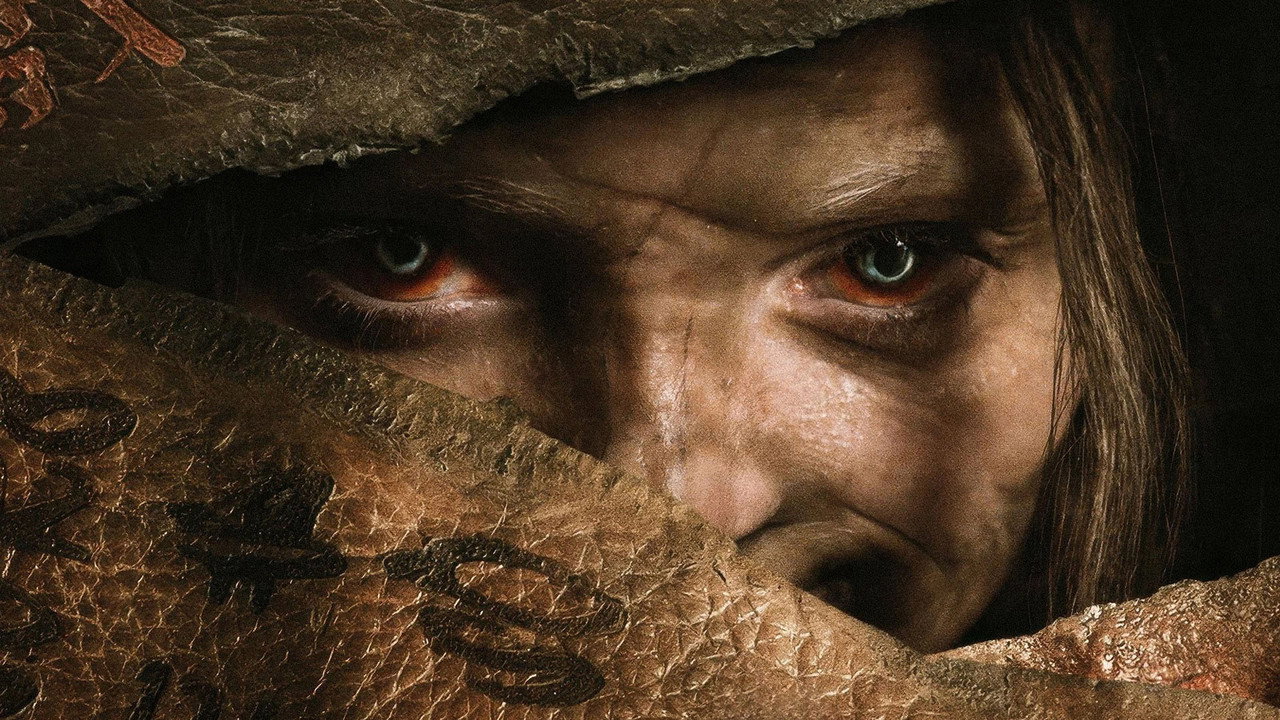
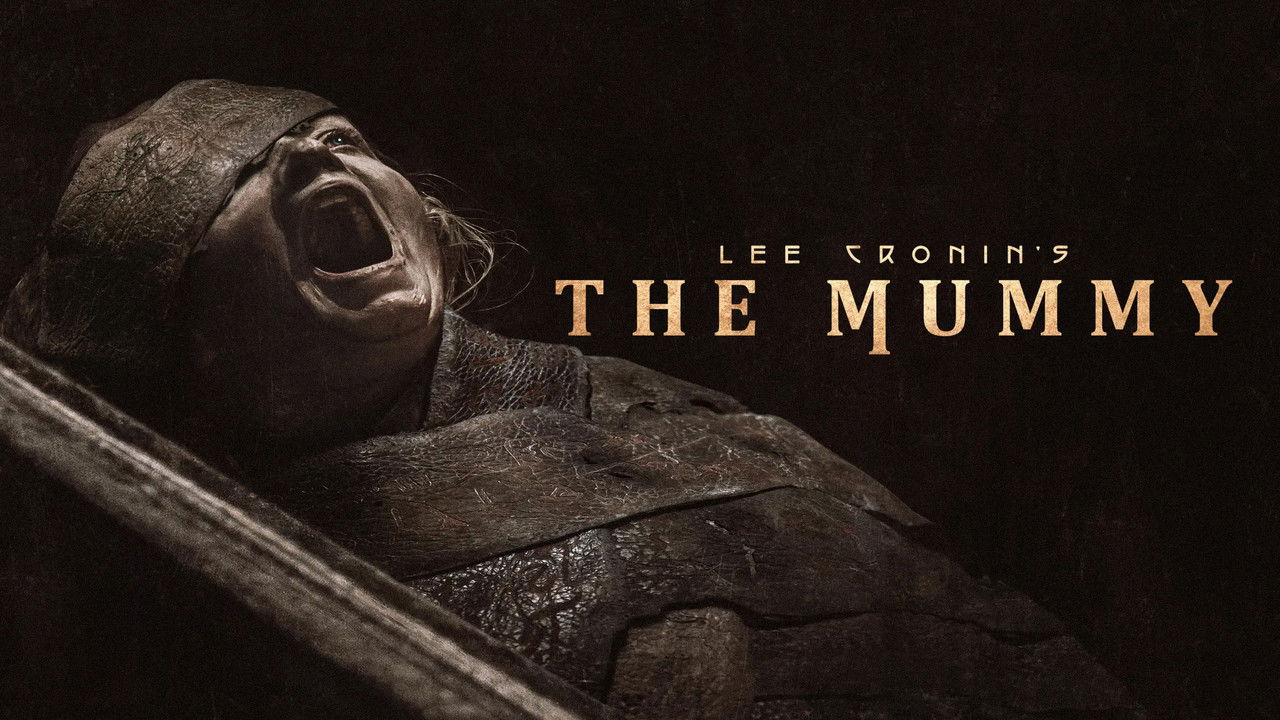
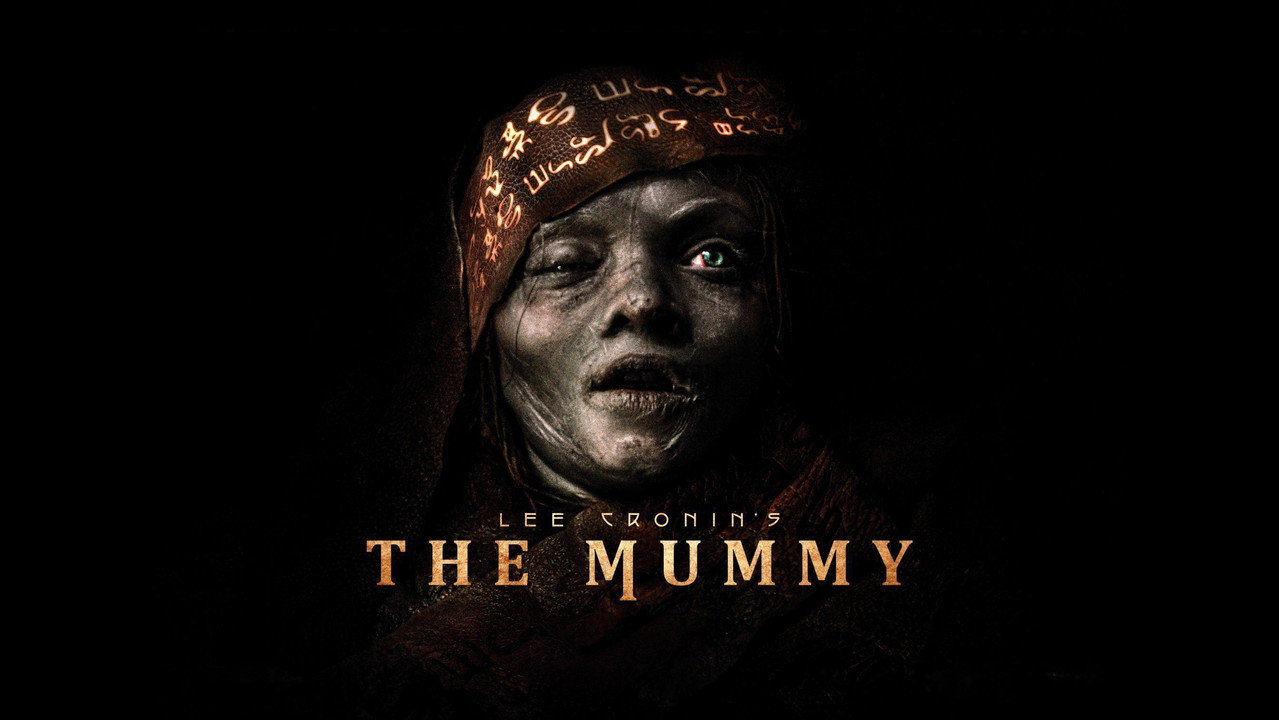
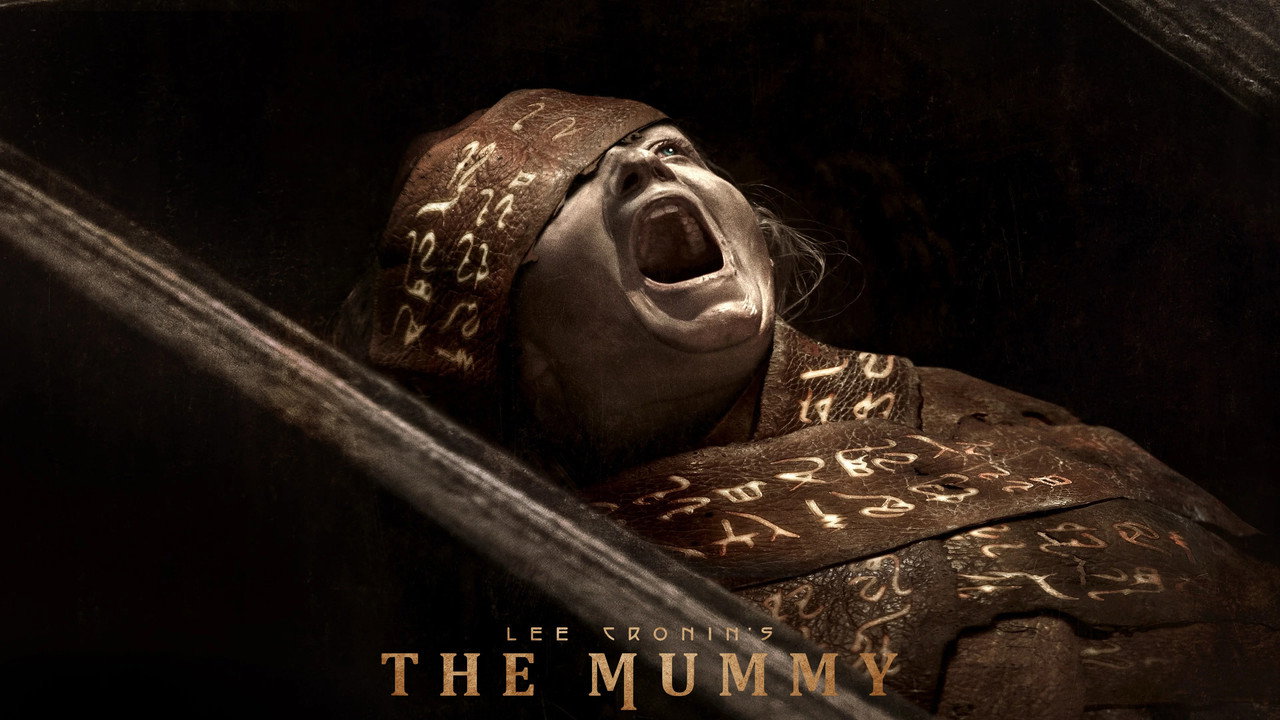
Fans of Cronin’s ferocious work on Evil Dead Rise will recognize his uncompromising dedication to practical creature effects. There are no swirling digital sandstorms forming screaming cartoon faces in the sky. Instead, the resurrected entity—portrayed with bone-snapping contortionist physical horror by Hayat Kamille—moves like a desiccated, dehydrated cadaver desperately seeking human fluid.
The sequence where the creature reclaims flesh by siphoning moisture from its victims inside a locked museum archive is one of the most frightening pieces of cinematic horror in modern memory. Teeth rattle loose, dry tendons snap into place with sickening hydraulic clicks, and linen bandages woven beneath the dermis rip through skin. Cinematographer Dave Garbett lights the carnage with oppressive amber lantern tones and harsh halogen shadows, giving every frame the claustrophobic dread of a subterranean crypt.
| Specification | Production Details |
|---|---|
| Theatrical Release Date | April 15, 2026 |
| Director & Co-Writer | Lee Cronin |
| Runtime | 2 Hours 13 Minutes (133 mins) |
| Production Studios | Universal Pictures / Atomic Monster / Blumhouse |
| Production Budget | $22 Million |
| Worldwide Box Office | $90.55 Million Global Gross |
Sound Design, Stephen McKeon's Score, and Psychological Tension
Sound design plays a crucial role in constructing the film's unrelenting tension. The rustling of dry papyrus in the dark, the grinding of sandstone against sandstone, and the rasping breaths of vocal cords unmoistened for four thousand years fill the theater with palpable menace.
Composer Stephen McKeon constructs a deeply unsettling acoustic score utilizing antique Middle Eastern frame drums, abrasive scraped cello strings, and microtonal choral whispering that mimics the ancient Book of the Dead curses.
| Actor | Character / Role | Critical Performance Highlights |
|---|---|---|
| Jack Reynor | Charlie Cannon | Heart-wrenching, emotionally exhausted performance as a desperate father facing ancient horror. |
| Laia Costa | Larissa Cannon | Fierce and protective maternal presence carrying the psychological horror of her daughter's transformation. |
| May Calamawy | Detective Dalia Zaki | Brings sharp intelligence, cultural authority, and grounded grit to the occult investigation. |
| Natalie Grace | Katie Cannon | Chillingly effective physical child acting depicting the early stages of mummified possession. |
| Hayat Kamille | The Awakened Pharaoh / Magician | Extraordinary contortionist body work delivering genuine physical terror without digital crutches. |
Cinematic Stills & Production Highlights
High-resolution frames showcasing the decaying subterranean sets, practical makeup effects, and terrifying sequences in Lee Cronin's The Mummy.
Where the Film Tests Audience Endurance
Viewers who arrive expecting the lighthearted comedy banter of Brendan Fraser or the globetrotting Indiana Jones archaeology of earlier iterations may experience intense tonal shock. The Mummy is unremittingly grim, oppressive, and gory. Cronin rarely offers comic relief, preferring to let the suffocating atmosphere of biological decay press against the viewer's chest for over two hours.
Additionally, the final confrontation inside a flooded cathedral vault relies heavily on strobe lighting effects that occasionally obscure the magnificent practical stunt work. But as a revitalization of a legendary monster brand, this is the most artistically daring, uncompromising horror film Universal has produced in decades.
MovieHive Verdict: Lee Cronin's The Mummy is a triumph of visceral gothic body horror. By ditching corporate action-franchise cliches and returning to terrifying practical makeup, bone-crunching creature performances, and authentic emotional dread, Cronin delivers the scariest monster movie of the year.
✓ What Works
- Lee Cronin's unsparing, blood-chilling dedication to practical body horror.
- Powerfully grounded emotional performances from Jack Reynor and Laia Costa.
- Terrifying contortionist monster performance by Hayat Kamille.
- Suffocating sound design and Stephen McKeon's abrasive, ancient score.
✕ What Stumbles
- Relentlessly bleak, unyielding tone offers zero lighthearted comic relief.
- Heavy strobe lighting in the climactic vault battle briefly obscures choreography.
Frequently Asked Questions