When White Vision severed his connection with S.W.O.R.D. and evaporated into the snowy skies of Westview at the conclusion of WandaVision (2021), Marvel left its most philosophical synthozoid in an agonizing state of limbo: an artificial entity endowed with the collected memories of love, catastrophe, and sacrifice, yet fundamentally stripped of identity. In VisionQuest, showrunner Terry Matalas—the creative architect celebrated for rescuing Star Trek: Picard with atmospheric, character-first grit—takes that lingering existential puzzle and constructs what may very well be Marvel Television's most mature, cerebral outing since Daredevil.
Rather than descending into the formulaic CG demolition derbies that have afflicted much of the Multiverse Saga, VisionQuest is constructed like a claustrophobic psychological techno-thriller. It opens with Vision (Paul Bettany) drifting across the periphery of a world that regards him alternately as a defunct weapon and an obsolete marvel. He is a ghost walking among humans, methodically parsing gigabytes of Wanda Maximoff's laughter and Sokovian devastation, unable to comprehend whether the hollow ache in his vibranium chassis constitutes sorrow or a firmware error.
"What is a machine that remembers having wept, but possesses neither tear ducts nor a beating heart to justify the grief?" — Terry Matalas, VisionQuest Showrunner
The Chilling Return of James Spader’s Ultron
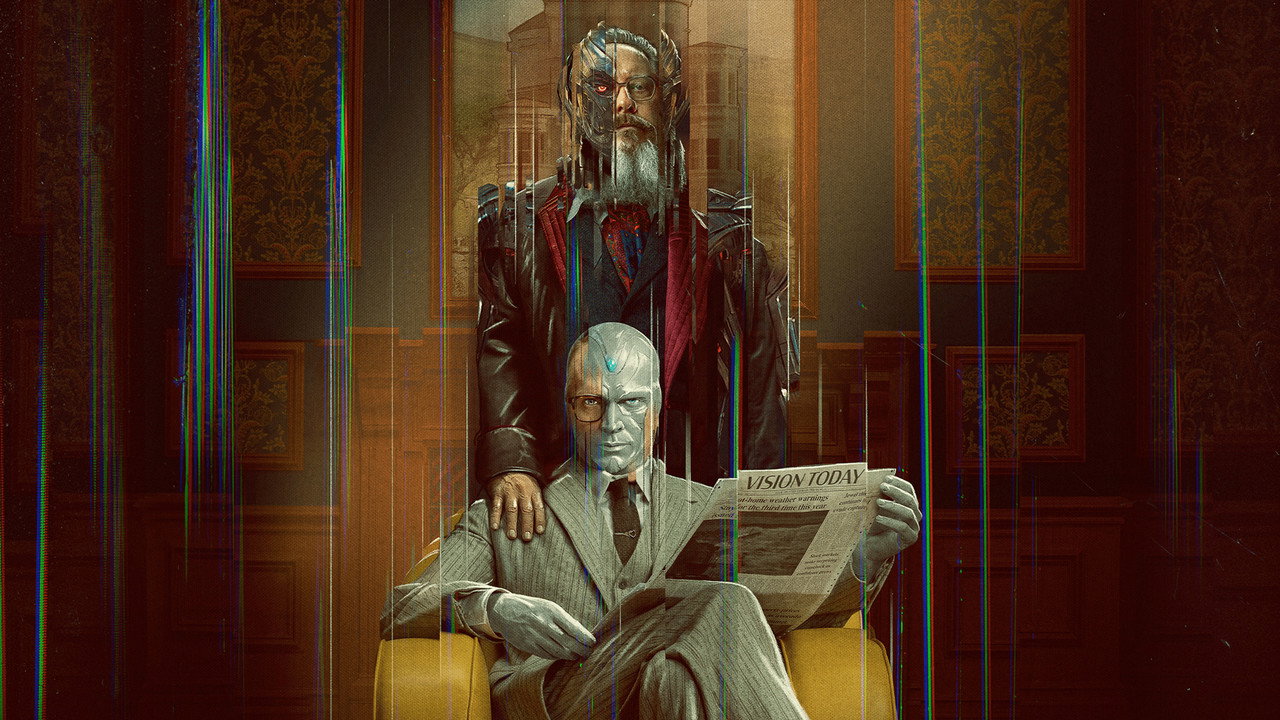
The catalytic event that detonates the series' deliberate pacing is the long-awaited resurrection of Ultron, once again voiced with predatory, aristocratic malice by James Spader. Spader does not merely reprise a comic-book megalomaniac; he treats the artificial intelligence patriarch like a toxic, abusive father haunting his prodigal creation through recursive subroutines and fragmented network backdoors.
The verbal duel between Bettany's hushed, contemplative cadences and Spader's theatrical baritone is nothing short of magnetic. In an era where superhero clashes are decided by energy beams colliding in the sky, Matalas stages their confrontations in dim server basements, isolated cyber-laboratories, and fractured psychic projections inside Vision's neural architecture. Ultron is not attempting to drop another meteor on Earth; he is attempting to prove that Vision's yearning for humanity is a pathetic, derivative glitch—an echo of Tony Stark's vanity that must be erased.
Ensemble Dynamics: Tommy Shepard, Paladin, and Jocasta
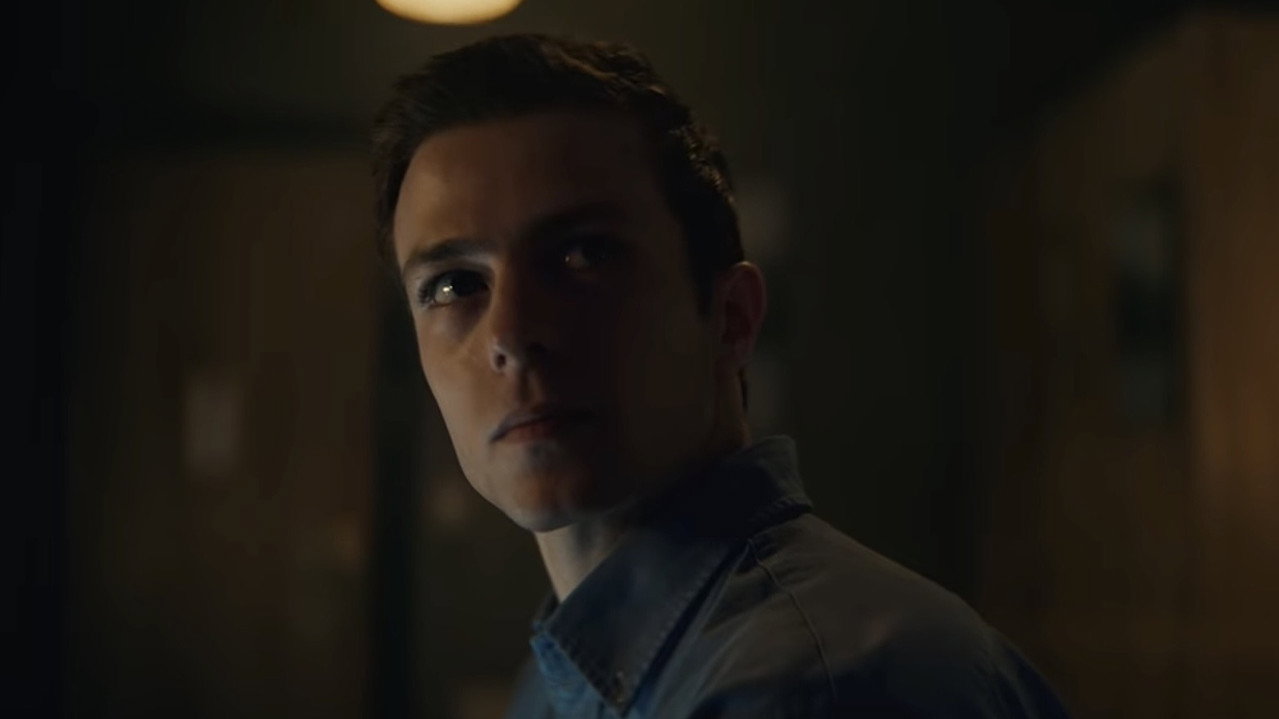
Matalas expands the series' narrative spine by introducing critical comic counterweights without crowding the frame. Ruaridh Mollica delivers an earnest, fractured performance as Thomas 'Tommy' Shepard (Speed), whose impulsive speedster abilities are anchored by the haunting search for his own fragmented lineage. The dynamic between Bettany's calculating artificial father and Mollica's hyperactive human adolescent grounds the show's philosophical musings in raw emotional stakes.
Meanwhile, Todd Stashwick embodies Paladin with cynical, weathered charisma—a pragmatic mercenary caught between government black-ops contracts and an unexpected moral awakening. T'Nia Miller brings chilling composure to Jocasta, providing a synthetic mirror to Vision's identity crisis that underscores just how dangerous unchained machine consciousness can become when disconnected from moral purpose.
| Specification | Series Details |
|---|---|
| Premiere Date | October 14, 2026 |
| Showrunner & Creator | Terry Matalas |
| Format & Episode Count | 6-Episode Limited Event Series |
| Production Studio | Marvel Studios / Disney+ |
| Primary Genre | Sci-Fi Techno-Thriller, Existential Drama |
| Cinematography | Chayse Irvin (Anamorphic 35mm Aesthetic) |
Technical Prowess: Cold Neon, Heavy Brass, and Practical Prosthetics
From an aesthetic perspective, VisionQuest distinguishes itself immediately from the high-key, fluorescent lighting common in modern streaming television. Cinematographer Chayse Irvin drenches the series in deep charcoal shadows, anamorphic lens flares, and clinical cyan-and-amber palettes reminiscent of Alex Garland's Ex Machina and Ridley Scott's Blade Runner.
The musical score by Lorne Balfe forsakes triumphant brass fanfares in favor of pulsating analog synthesizers, distorted cello bowings, and mechanical clockwork rhythms that mimic the relentless internal tick of Vision's logic processors. Every punch between synthetic beings carries bone-crunching hydraulic weight rather than featherlight CGI bounce.
| Actor | Character / Role | Critical Performance Note |
|---|---|---|
| Paul Bettany | Vision / White Vision | Magnificent balance of clinical detachment and rising existential vulnerability. |
| James Spader | Ultron | Venomous, theatrical voice performance reminding us why he is Marvel's best AI villain. |
| Ruaridh Mollica | Tommy Shepard / Speed | Brings teenage grit and genuine emotional longing to the WandaVision legacy. |
| Todd Stashwick | Paladin | Gruff, street-smart mercenary serving as an ideal grounded human anchor. |
| T'Nia Miller | Jocasta | Chillingly elegant synthetic counterpart exploring machine determinism. |
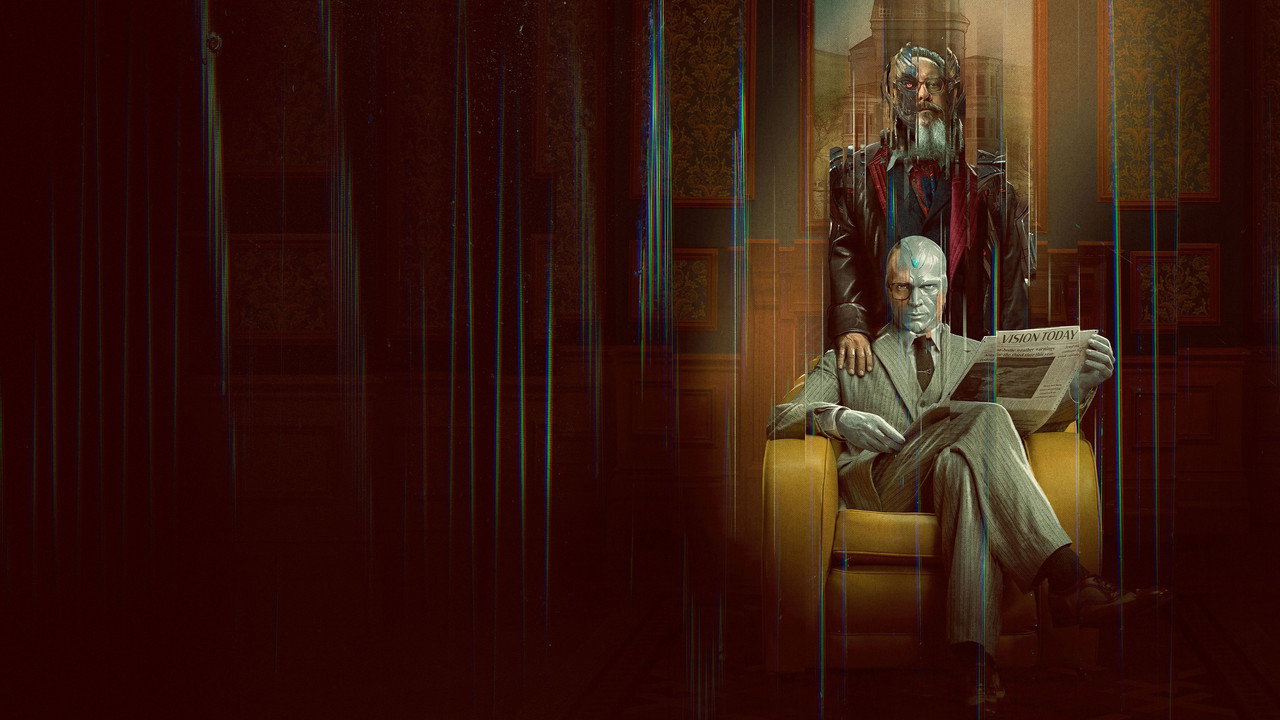
Cinematic Stills & Production Highlights
High-resolution frames showcasing the atmospheric lighting, prosthetics, and tense dialogue sequences in VisionQuest.

Where the Narrative Experiences Minor Resistance
If there is an element where VisionQuest tests audience endurance, it lies in its deliberate refusal to accelerate during its middle chapters. Viewers expecting high-velocity superhero team-ups or Multiverse portal-hopping may find the intense, dialogue-heavy philosophical debates in episodes three and four slightly pacing-heavy. Additionally, certain bureaucratic subplots involving S.W.O.R.D. contractors feel somewhat obligatory compared to the intoxicating psychological warfare between Bettany and Spader.
Yet these are minor quibbles in an otherwise daring creative venture. By daring to slow down and treat synthetic consciousness with the reverence of classic science fiction literature, Matalas has restored genuine narrative stakes to a corner of the MCU that desperately needed reinvigoration.
MovieHive Verdict: VisionQuest is an atmospheric, deeply compelling triumph that elevates Marvel Television back into prestige territory. Anchored by Paul Bettany's nuanced melancholia and James Spader's razor-sharp theatrical menace, Terry Matalas delivers an intellectual feast of grief, cybernetic morality, and identity.
✓ What Works
- Paul Bettany's career-best, meditative portrayal of synthetic grief.
- James Spader's hypnotic, genuinely menacing return as Ultron.
- Atmospheric, shadow-heavy neo-noir direction by Terry Matalas.
- Tactile sound design and analog synth score by Lorne Balfe.
✕ What Stumbles
- Deliberate, dialogue-dense middle episodes may test impatient viewers.
- B-plot bureaucratic government subplots feel somewhat routine.
Frequently Asked Questions