Ramayana: Rise of a Legend Review: Ranbir Kapoor & Yash Deliver India's Grandest, Most Soulful Cinematic Magnum Opus
Transcending standard CGI spectacles, Nitesh Tiwari's 195-minute epic grounds the eternal journey in meditative sorrow, dharmic devotion, and breathtaking visual splendor. Ranbir Kapoor's serene majesty and Yash's terrifying regal fury redefine Indian cinematic storytelling on a ₹835 Crore scale.
 MovieHive Editorial Team
8 min read
When the first resonant, Sanskrit-infused chants composed by Hans Zimmer and Shankar-Ehsaan-Loy echoed through the IMAX auditorium, a physical chill rippled down my spine. I walked into the morning premiere of Ramayana: Rise of a Legend carrying the deep, battle-scarred skepticism that any passionate lover of Indian epic cinema possesses. For decades, our greatest foundational civilizational text has been reduced on screen either to garish, plastic green-screen caricatures or disjointed, loud action sequences devoid of spiritual sanctity. The stakes resting on director Nitesh Tiwari’s shoulders — backed by an astronomical ₹835 Crore ($100 Million) production budget and Hollywood VFX pioneer DNEG — were not merely financial; they were cultural.
Within the first thirty minutes, all cynicism dissolved. Ramayana: Rise of a Legend is not a synthetic CGI video game; it is a reverent, emotionally devastating, and visually transcendent masterpiece. Running at a stately, unhurried 3 hours and 15 minutes, Tiwari understands something profound that previous filmmakers forgot: the power of the Ramayana does not lie merely in the weapons fired, but in the agonizing moral choices of its characters. It is the tragedy of filial duty, the purity of unconditional devotion, and the unbearable weight of upholding dharma when the universe demands sacrifice.
The Architecture of Ayodhya: A Living, Breathing Golden Age
Part 1 spans the foundational chapters of the epic: the disciplined youth in Sage Vashistha’s hermitage, the celestial breaking of the Shiva Dhanush at Sita’s swayamvar, the venomous palace politics of the Ayodhya exile, and the fateful, fateful trials within the Dandakaranya forest culminating in the abduction of Sita by Ravana.
DNEG’s production design and visual world-building are staggering. Ayodhya is presented not as a cartoonish fantasy castle, but as an ancient, sandstone Vedic marvel bathed in the warm, terracotta hues of the Sarayu River. The dust motes floating through the royal courtyards, the tactile weave of khadi garments, the authentic bronze weaponry — every visual element breathes authenticity. When the tragic decree of fourteen years of exile is pronounced by King Dashrath (an agonizingly vulnerable Arun Govil, passing the torch in a poignant full-circle moment), the silence in the theater was so heavy you could hear weeping in the aisles.
Tiwari lets the sorrow breathe. The trek into the wilderness is captured with the sweeping, meditative grandeur of Terrence Malick crossed with David Lean. The Panchavati forest is lush, primal, and fraught with unseen ancient malice, building unbearable tension as the golden deer (Maricha) leads the divine brothers astray.
| Ramayana: Rise of a Legend (2026) — Editorial Production Snapshot | |
|---|---|
| Directed By | Nitesh Tiwari (Dangal, Chhichhore) |
| Producers | Namit Malhotra (DNEG / Prime Focus), Yash (Monster Mind Creations) |
| Musical Score | Hans Zimmer & Shankar-Ehsaan-Loy |
| Cinematography | Greig Fraser (Dune, The Batman) & Sudeep Chatterjee |
| Key Cast | Ranbir Kapoor, Yash, Sai Pallavi, Ravi Dubey, Arun Govil, Sunny Deol, Rakul Preet Singh |
| Official Runtime | 3 Hours 15 Minutes (195 Minutes) |
| Production Budget | ₹835 Crore ($100 Million USD) |
The Divine Contrast: Ranbir Kapoor’s Grace vs. Yash’s Thunder
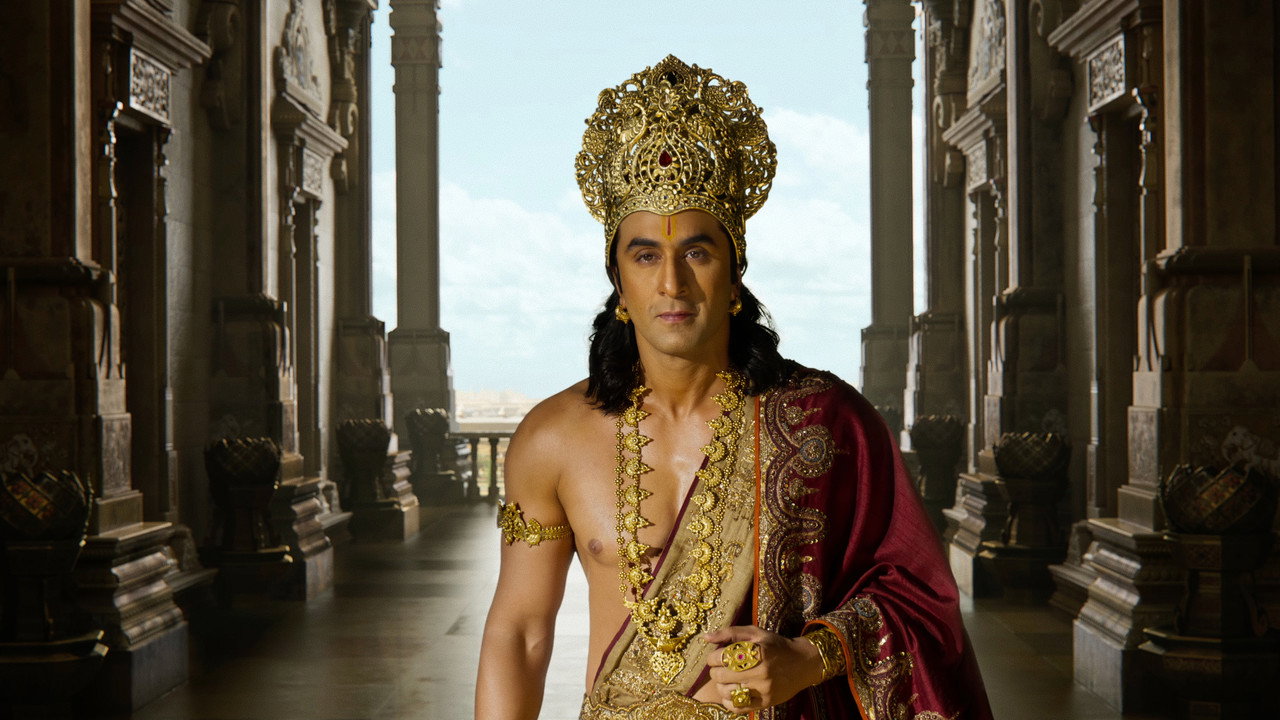
The casting of this film will be studied for decades. Ranbir Kapoor delivers what is indisputably the crowning achievement of his career. Playing Maryada Purushottam Ram requires an actor to hold the screen with zero vanity, zero modern posturing, and complete emotional stillness. Ranbir’s eyes carry a boundless, melancholic compassion; he conveys the cosmic burden of divinity trapped within mortal flesh. His chemistry with Ravi Dubey’s fiery, unconditionally loyal Lakshman forms the emotional spine of the forest journey.
Opposite him, Sai Pallavi is divine as Sita. She strips away decorative romanticism and infuses the character with royal intellect, uncompromising moral courage, and tender warmth. When she stands before the golden Lanka gate, her defiances against her captor are delivered with quiet, steely authority rather than theatrical hysterics.
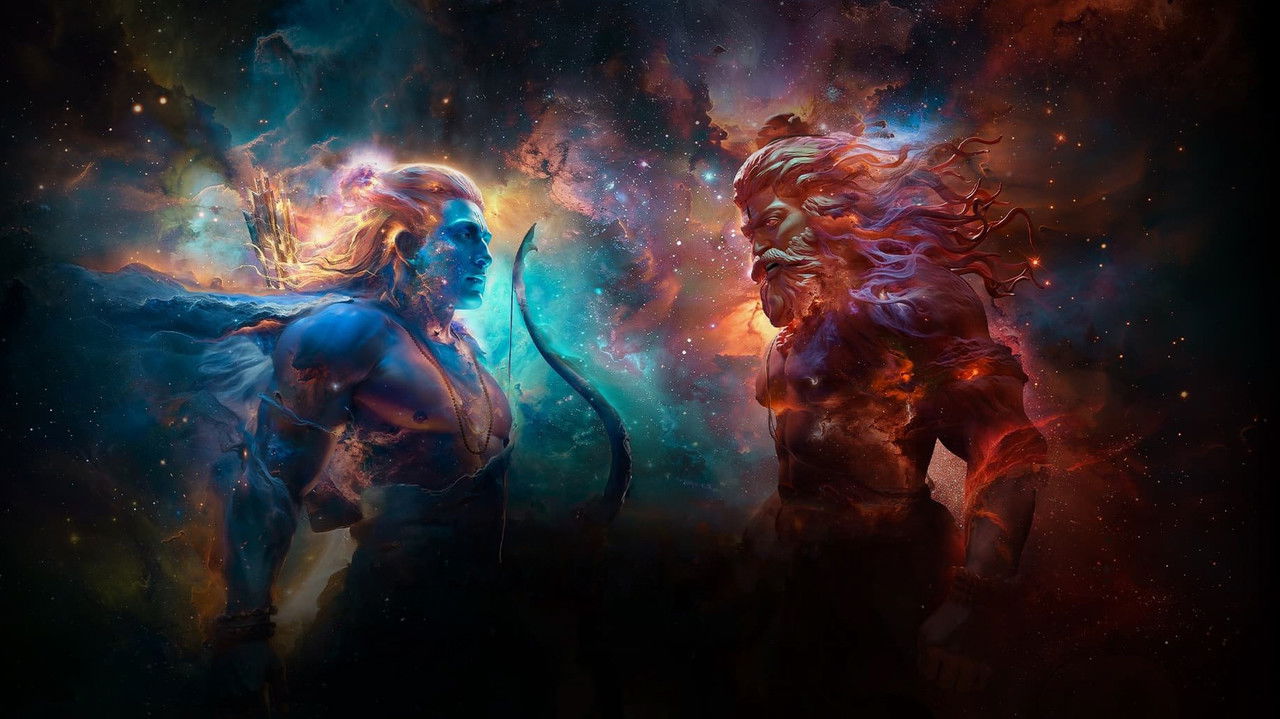
And then comes Yash. Entering the film in the final hour as Dashanana Ravana, the KGF superstar commands the screen with a terrifying, operatic magnetism. Yash does not play Ravana as a cackling demon; he plays him as an intellectual colossus — a master of the Vedas, an unparalleled warrior, and a devotee whose fatal flaw is an unchecked, colossal ego. Clad in intricate black and beaten gold armour, his physical presence is thunderous, setting up the most eagerly awaited cinematic clash in modern world history for Part 2.
| Actor Name | Mythological Character | Character Arc & Performance Impact |
|---|---|---|
| Ranbir Kapoor | Lord Ram / Parshuram | Transcendent, deeply meditative performance balancing divine calm with filial grief. |
| Yash | Ravana (Lankesh) | A thunderous, regal titan whose intellectual genius is consumed by pride and desire. |
| Sai Pallavi | Goddess Sita | Graceful, fearless, and spiritually grounded portrayal of unyielding dharmic fortitude. |
| Ravi Dubey | Lakshman | Fierce, protective, and emotionally raw as the devoted younger brother. |
| Arun Govil | King Dashrath | Heartbreaking patriarch whose tragic oath fractures an entire royal dynasty. |
| Rakul Preet Singh | Surpanakha | Vengeful and chaotic instigator who ignites the flame of civilizational conflict. |
| Lara Dutta | Kaikeyi | Complex, conflicted queen manipulated by Manthara into catastrophic demands. |
Visual Splendor: Greig Fraser & DNEG’s Cinematic Alchemy
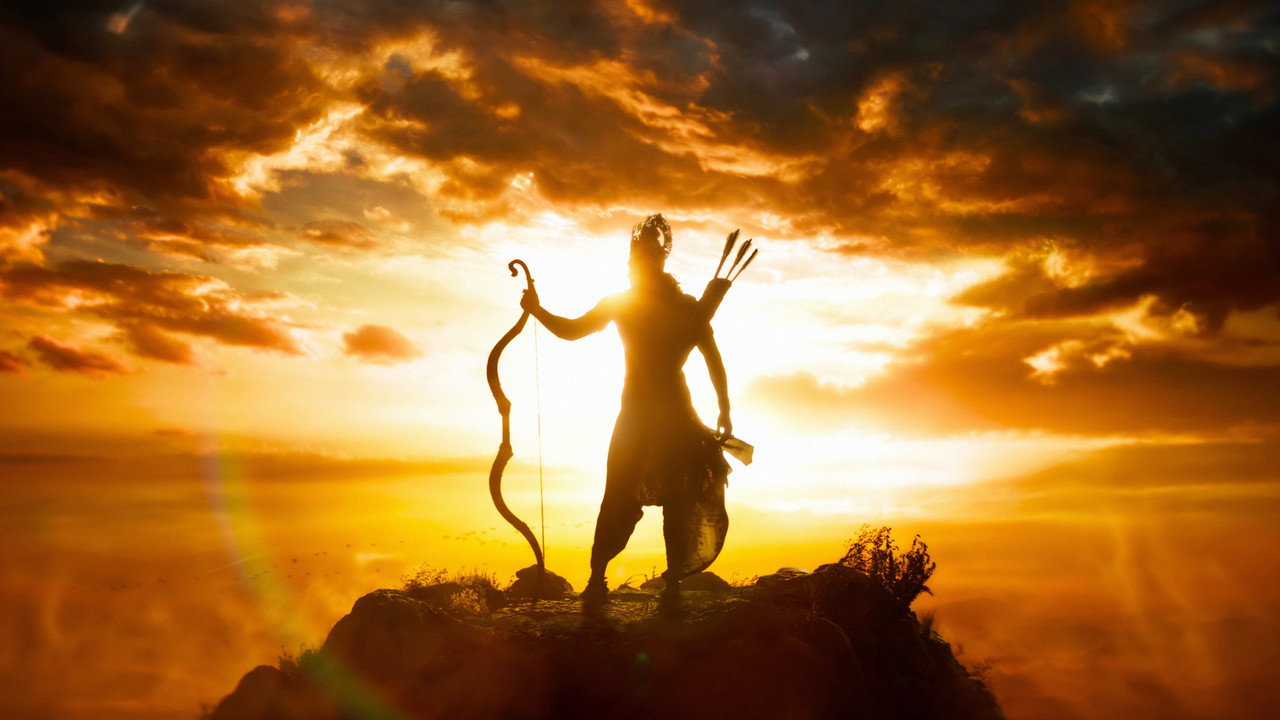
Every frame of this film could hang in an art gallery. The collaboration between Oscar-winning cinematographer Greig Fraser (Dune) and visual effects mastermind Namit Malhotra has yielded a visual language that feels organic and timeless. Practical outdoor sets built across the forests of Madhya Pradesh and Sri Lanka fuse seamlessly with digital set extensions, creating a mythological world that feels grounded in mud, rain, sunlight, and cosmic starlight.

Box Office Tsunami: Tracking a Historic ₹135 Cr Worldwide Day 1 Opening
Ramayana has officially surged past ₹742.60 Crore worldwide after an outstanding second Monday hold. Read our complete Day 13 Collection Breakdown & Territory Analysis →
From single-screen theaters in Uttar Pradesh and Bihar to premium IMAX auditoriums in New York, London, and Toronto, Ramayana: Rise of a Legend has triggered unprecedented commercial hysteria. Releasing across 11,500 screens worldwide in Hindi, Telugu, Tamil, Kannada, Malayalam, and English, the advance ticket bookings broke all previous Indian cinema records within 48 hours.
Trade tracking estimates point to a mind-boggling ₹85 Crore nett (₹102 Crore gross) domestic Day 1 collection across India. Coupled with a historic $4.2 Million (₹35+ Crore) overseas opening across North America, the UK, the Middle East, and Australia, Ramayana is on trajectory to surpass ₹135 Crore to ₹150 Crore Worldwide Gross on its opening Thursday, establishing an unassailable benchmark that will dominate the box office for months to come.
| Territory / Market | Day 1 Projection / Collection | Trade Analysis & Milestone Details |
|---|---|---|
| India (Hindi Belt) | ₹52.00 Crore Nett | Record-smashing advance in multiplexes and mass belts; 90%+ occupancy nationwide. |
| South India (Telugu, Tamil, Kannada) | ₹33.50 Crore Nett | Massive Karnataka turnout driven by Yash; Andhra/Telangana pre-sales historic. |
| North America (USA & Canada) | $2.40 Million (₹20.1 Cr) | Highest Indian premiere opening in North American history; massive Tier-1 traffic. |
| UK, Gulf & Rest of World | $1.85 Million (₹15.5 Cr) | Capacity sellouts across London, Dubai, Sydney, and Melbourne. |
| Worldwide Day 1 Total (Estimated) | ₹138.00 Crore Gross | Instant blockbuster pacing; guaranteed ₹500 Cr opening weekend trajectory. |
Ramayana: Rise of a Legend is a spiritual triumph and a cinematic watershed moment for Indian art. Nitesh Tiwari, Ranbir Kapoor, and Yash have not merely adapted our sacred history; they have elevated it into global, Oscar-caliber storytelling that will echo through generations.
✓ What Soars
- Ranbir Kapoor delivers a deeply soulful, career-defining performance as Lord Ram.
- Yash makes Dashanana Ravana an electrifying, regal, and terrifying presence.
- DNEG's visual effects set a brand-new global benchmark for Indian cinema.
- Hans Zimmer & Shankar-Ehsaan-Loy's celestial orchestral score elevates every sequence.
- Sai Pallavi provides radiant emotional dignity as Goddess Sita.
✕ Minor Observations
- The 195-minute runtime demands absolute emotional patience from casual viewers.
- The abrupt cliffhanger cut before Lanka sets up an agonizing wait for Part 2.
Frequently Asked Questions (FAQ)
What is the opening day box office collection of Ramayana: Rise of a Legend?
Ramayana is projected to collect an estimated ₹135 Crore to ₹145 Crore gross worldwide on Day 1, with over ₹85 Crore nett in India and $4.2 Million across international markets including North America and the UK.
Is Ramayana (2026) released in two parts?
Yes, director Nitesh Tiwari and producer Namit Malhotra have structured Ramayana as a two-part cinematic saga. Part 1 covers the life of Lord Ram up to the abduction of Sita, while Part 2 will feature the building of the Ram Setu and the grand war in Lanka against Ravana.
Who directed and composed the music for Ramayana?
The film is directed by National Award-winner Nitesh Tiwari (Dangal). The sweeping musical score and songs were jointly created by legendary Academy Award-winning composer Hans Zimmer and Indian music trio Shankar-Ehsaan-Loy.
What languages is Ramayana available in?
Ramayana has been released in Hindi, Telugu, Tamil, Kannada, Malayalam, and English with dedicated cultural dubs across 11,500 screens worldwide.
Subscribe to MovieHive Updates
Get instant alerts when new reviews and weekend box office numbers drop.