How Vidyut Jammwal's Fierce Kalaripayattu Stole the Show as Dhalsim in Street Fighter: Hollywood Cast Reactions & Lethal Action Breakdown
Ditching the goofy 1990s CGI rubber-man caricature, director Kitao Sakurai and India's elite martial artist Vidyut Jammwal turned Capcom's Dhalsim into a lethal, breathtaking masterclass in ancient Kalaripayattu. Here is how Hollywood co-stars Andrew Koji and Noah Centineo reacted on set.
 MovieHive Editorial Team
6 min read
MovieHive Editorial Team
6 min read
When Legendary Pictures and Capcom announced that Indian martial arts superstar Vidyut Jammwal had been cast as Dhalsim in the 2026 live-action Street Fighter reboot, hardcore gamers were divided. For over three decades, pop culture had remembered Dhalsim through the lens of goofy arcade sprite animations and the infamously campy 1994 Jean-Claude Van Damme film—where the character was treated as an eccentric, rubbery science experiment. But the moment Vidyut steps into the sand-swept temple arena in Bangkok during the film’s second act, all skepticism evaporates into a chorus of dropped jaws.
Rather than burdening the character with garish CGI stretching effects, director Kitao Sakurai made a visionary creative choice: ground Dhalsim in the raw, ancient, and bone-shattering discipline of **Kalaripayattu**, the 3,000-year-old mother of all martial arts originating from Kerala. Armed with extraordinary yogic flexibility, deep ascetic intensity, and blinding physical speed, Vidyut doesn't just play Dhalsim—he elevates him into the undisputed spiritual and martial MVP of the entire tournament.
From Cartoon Rubber-Man to Ancient Martial Royalty
In the original Capcom video game lore, Dhalsim's signature mechanics were his elastic limbs and ability to channel spiritual fire (*Yoga Fire*). In Hollywood's 2026 adaptation, action director Larnell Stovall translated those game mechanics into real-world biomechanics. Vidyut’s Dhalsim uses the fluid, deceptive animal postures of Kalaripayattu—specifically the *Simha Vadivu* (Lion Stance) and *Sarpa Vadivu* (Serpent Stance)—to execute strikes from angles that defy human anatomy.
Instead of computer-generated rubber arms stretching across the screen, Vidyut utilizes blindingly fast hip disarticulations, sweeping circular kicks, and sudden yogic low-sweeps that make him look like a phantom gliding on air. When he breathes fire, it isn't a cheesy superhero fireball; it is presented as a lethal, concentrated discharge of ancient *Agni Pranayama*, igniting theatrical embers that light up his ascetic facial markings in pitch-black shadow.
⚡ The 8-Minute Temple Standoff: Pure Theatrical Gold
The cinematic crown jewel of Vidyut's performance arrives in Round 2 of the World Warrior Tournament against the heavyweight brawler Balrog. While Balrog attempts to corner him with ferocious haymakers, Vidyut executes a flawless aerial contortion, dodging six consecutive punches without taking a single backward step, before planting a spinning heel strike directly onto Balrog’s temple. The entire theater erupted into spontaneous applause—an authentic testament to Indian martial arts conquering global cinema.
What Hollywood Co-Stars & Stunt Team Are Saying
The buzz surrounding Vidyut's performance isn't just coming from enthusiastic Indian fans; his Hollywood co-stars and the elite stunt choreography team have been vocal about the sheer physical intimidation of sharing a set with him.
"I’ve trained in martial arts my entire life and worked on Warrior, but stepping onto the mat with Vidyut Jammwal was genuinely humbling. His Kalaripayattu transitions happen so fast that our camera operators literally had to adjust their shutter speeds. He doesn’t fake momentum—every strike has 100% intent."
"In Hollywood, 95% of actors use wire rigs and stunt doubles for complex gymnastics. Vidyut walked onto the set, warmed up with sixty seconds of headstand breathing, and then did backflips off stone pillars with zero wires. The stunt doubles were literally sitting in chairs watching him in disbelief."
"Dhalsim was the hardest character to adapt because if you do it wrong, it looks like a comic joke. I told Capcom from day one: we need a real-world warrior monk. Vidyut brought a quiet, regal spiritual dignity to the set that gave the entire tournament authentic weight."
Vidyut Jammwal's Dhalsim: Technical Breakdown
| Parameter | Artistic & Physical Execution |
|---|---|
| Primary Combat Discipline | Kalaripayattu (Meythari & Ankathari system) |
| Yogic Conditioning | Pranayama, extreme joint articulation, and dynamic core stabilization |
| Stunt Doubles Employed | Zero (100% performed personally by Vidyut Jammwal) |
| Iconic Game Move Reimagined | "Yoga Teleport" adapted as blinding Kalaripayattu *Chuvadukal* footwork |
| Action Choreography Team | Larnell Stovall (*Captain America: Brave New World*) & Vidyut's personal team |
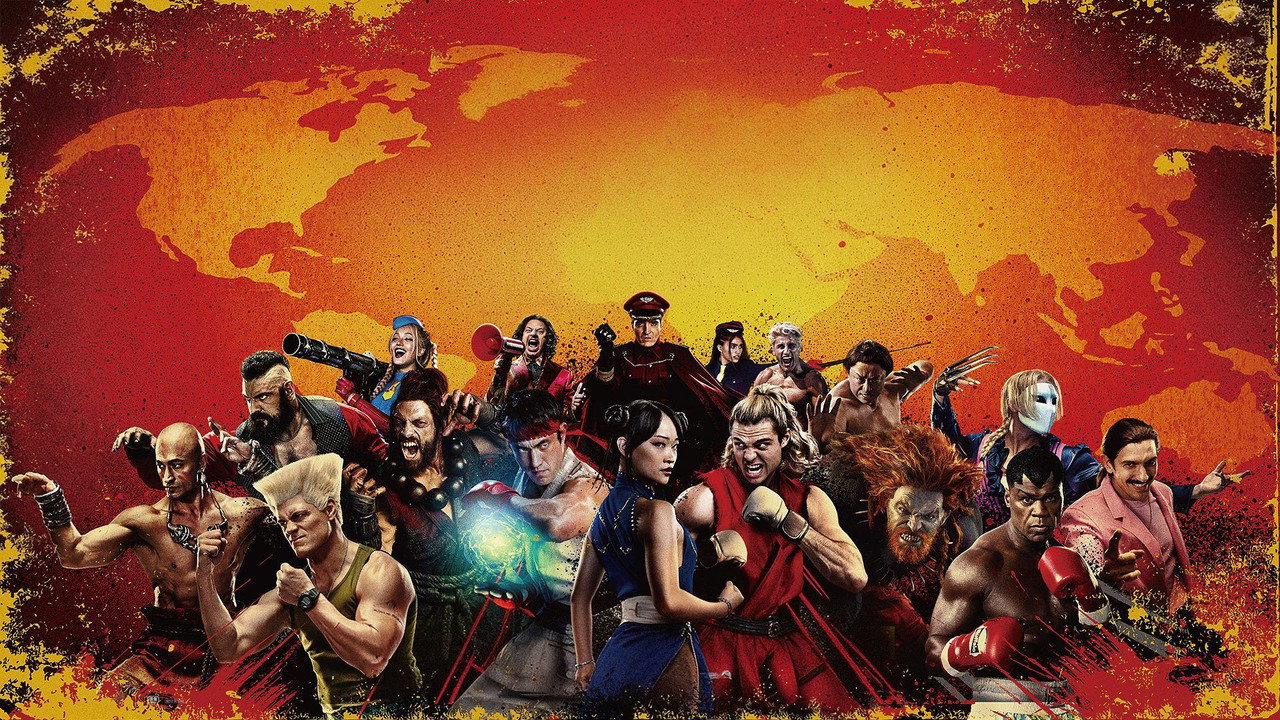
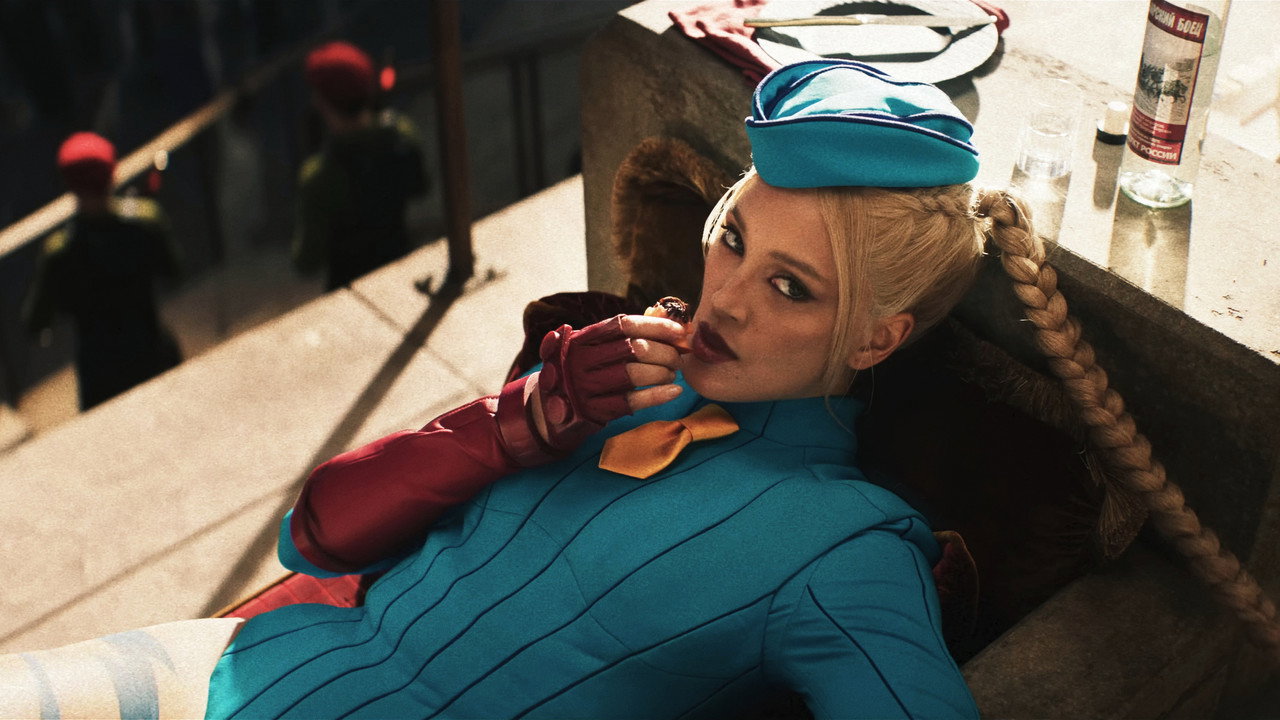
Behind the Scenes & Tournament Stills
Frequently Asked Questions About Vidyut Jammwal in Street Fighter