High-concept survival cinema thrives on radical vulnerability. We understand how to fear blizzards, desert droughts, and shark-infested waters. But in Survive (originally released as Survivre), French director Frédéric Jardin (Sleepless Night) presents a terrifyingly novel catastrophe: what happens when the entire ocean suddenly disappears from beneath your keel?
The film opens deceptively gently. Julia (Émilie Dequenne), her husband Tom (Andreas Pietschmann of Netflix's Dark), and their two teenage children Cassie and Ben are celebrating a birthday aboard their sailboat in the middle of the Mediterranean. Without warning, a cataclysmic magnetic polar shift hits Earth's core. The sea recedes in a deafening, violent roar—not as a tidal wave, but as a total continental drainage. Within minutes, their vessel is smashed and stranded hundreds of feet above what used to be the seabed, surrounded by cracked tectonic mud, steaming vents, and miles of salt flats baking under a lethal desert sun.
"When trillions of gallons of water vanish, you realize the ocean floor is not empty land—it is an alien cemetery where ancient predators are desperate to feed before they suffocate." — Frédéric Jardin, Director
Émilie Dequenne’s Fierce Lead Performance
At the beating emotional heart of Survive is the late Belgian powerhouse Émilie Dequenne, who injects raw, visceral maternal fury into Julia. Rather than screaming in hysterics, Julia becomes a tactical protector. When their vessel's radio fails and their fresh water boils in plastic tanks, she forces her family down the hull and onto the cracked seabed to make the perilous trek toward distant coastal cliffs before the displaced ocean surges back.
Andreas Pietschmann brings a quiet, wounded stoicism to Tom, grounding the family’s terror with desperate practicality. But the true terror of Jardin’s screenplay is the environment itself: every step across the dried mud carries the risk of sinking into quicksand, falling into sulfuric fissures, or stumbling across ancient shipwrecks harboring desperate, territorial deep-sea creatures struggling to survive in the baking daylight.
Deep-Sea Predators on Dry Land: The Creature Horror
While Jardin spends significant time exploring the human drama of dehydration and exposure, Survive leans sharply into creature-feature adrenaline in its second half. The retreating water has stranded predatory abyssal fauna—horrifying, pale, light-sensitive aquatic carnivores that hunt by sensing seismic vibrations through the mud.
The sound design is masterfully unnerving: wet, squelching footsteps across dried salt crust, the distant whistle of approaching flash floods, and the clicking jaws of subterranean scavengers. When the family encounters an unhinged harpoon fisherman (Arben Bajraktaraj) who has turned the dried sea bed into his personal hunting territory, the film ratchets up tension into a tight, pulse-pounding cat-and-mouse nightmare.
| Specification | Production Details |
|---|---|
| Release Date | June 19, 2024 |
| Director | Frédéric Jardin |
| Runtime | 1 Hour 30 Minutes (90 mins) |
| Country of Origin | France |
| Production Budget | $5.27 Million (Estimated) |
| Cinematography | Armando Avallone (Moroccan Desert Basin) |
Visual Realism and Lean Pacing
Filmed on practical location in the rugged desert flats of Ouarzazate and southern Morocco, cinematographer Armando Avallone gives Survive an oppressive, sun-bleached look. The heat distortion dancing across the cracked white silt feels genuine. At a lean 90 minutes, Jardin wastes no time on extraneous subplots or bloated backstories; the ticking clock of the returning tide drives the narrative forward with relentless momentum.
| Actor | Character / Role | Critical Performance Highlights |
|---|---|---|
| Émilie Dequenne | Julia | Towering, physically exhausting lead performance driving the family's survival instinct. |
| Andreas Pietschmann | Tom | Grounded, empathetic father figure fighting through debilitating injuries. |
| Lisa Delamar | Cassie | Brings authentic teenage dread and resilience to the harrowing journey. |
| Lucas Ebel | Ben | Vulnerable younger son whose birthday trip becomes an existential crucible. |
| Arben Bajraktaraj | L'homme au harpon | Chilling, predatory human threat adding unhinged survival horror to the third act. |
Cinematic Stills & Production Highlights
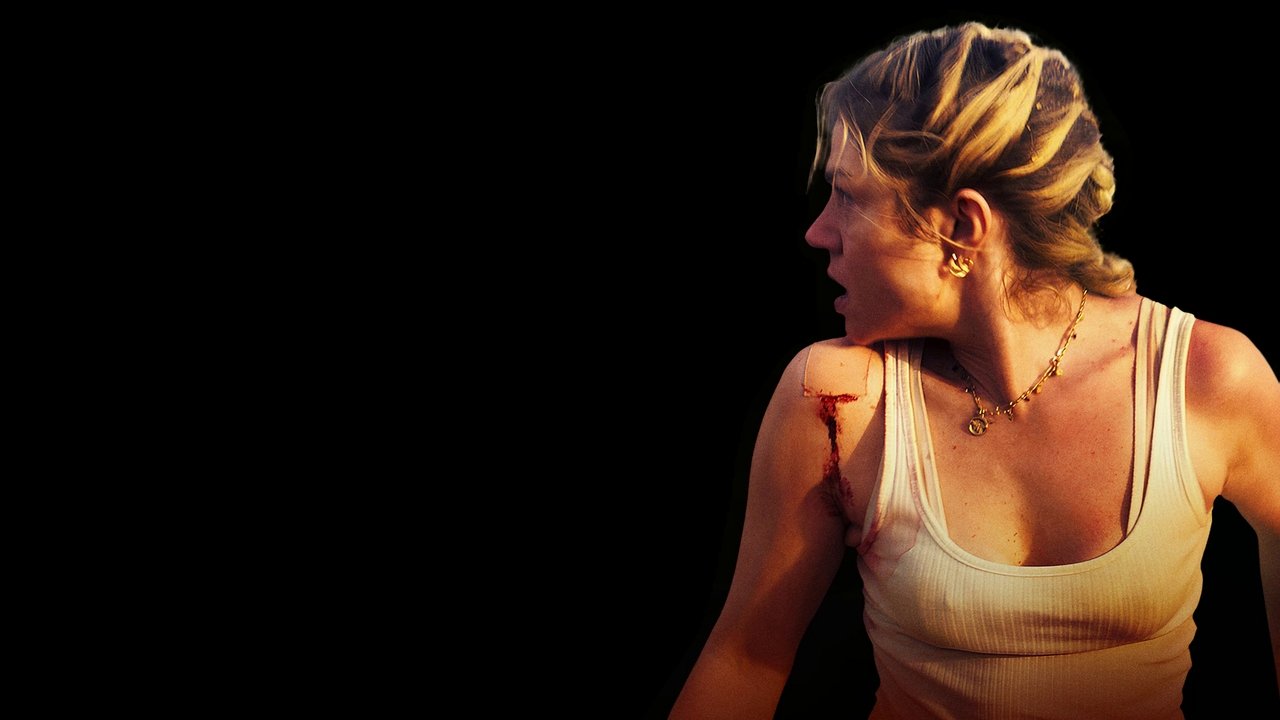
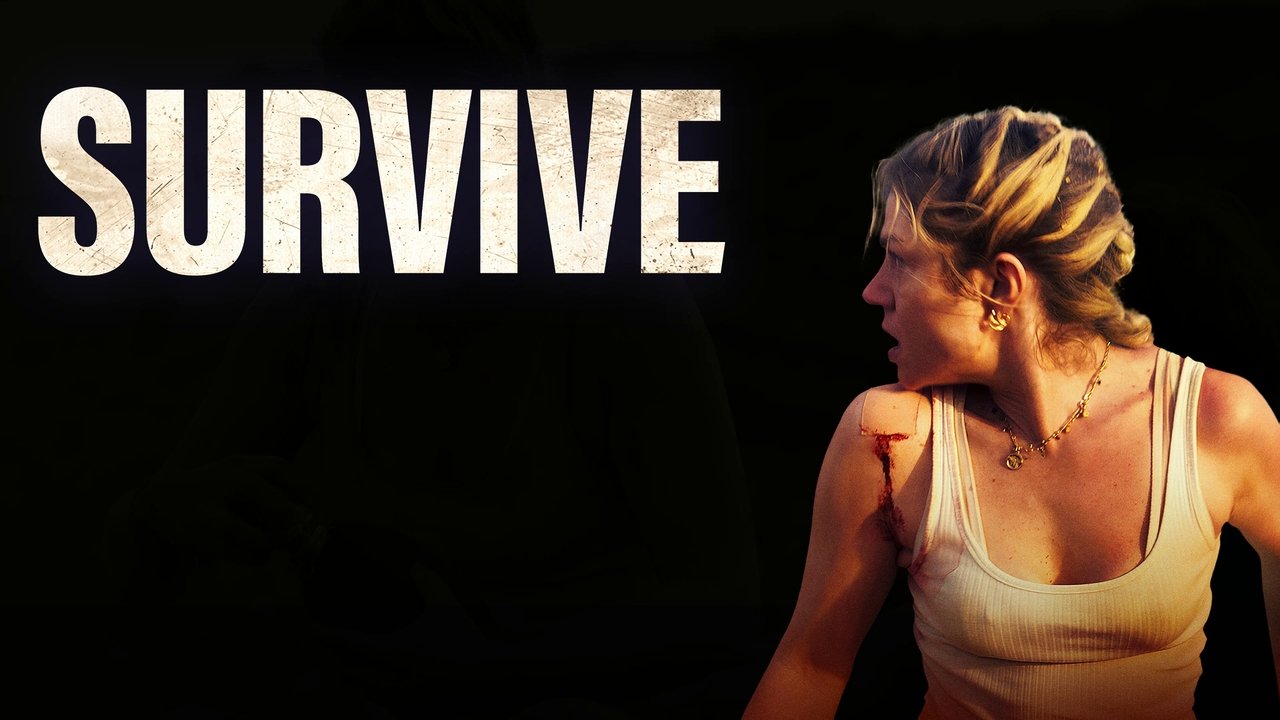
High-resolution frames showcasing the stranded vessel, the sun-scorched ocean floor, and the terrifying creature encounters in Survive.


Where the Narrative Encounters Obstacles
While the initial premise is undeniably thrilling, the film’s modest $5 million budget occasionally betrays its ambitious scientific scale. Certain wide-angle digital matte paintings of the drained ocean basin feel slightly flat compared to the visceral practical sand dunes. Furthermore, the final 15 minutes rush through several scientific explanations regarding the returning water tide, opting for rapid creature jump scares rather than deep existential payoff.
Nevertheless, for fans of lean, no-nonsense European survival thrillers, Survive delivers an intensely satisfying, white-knuckle 90-minute ride anchored by Émilie Dequenne's magnificent screen presence.
MovieHive Verdict: Survive takes a uniquely terrifying apocalyptic premise—the total sudden drainage of the ocean—and turns it into a lean, relentless survival exercise. Powered by Émilie Dequenne's ferocious lead performance and intense practical location filming, it overcomes budget constraints to deliver pure popcorn tension.
✓ What Works
- Ingenious, genuinely frightening ecological catastrophe premise.
- Fierce, emotionally raw performance from the late Émilie Dequenne.
- Oppressive practical desert basin cinematography in southern Morocco.
- Lean, fast-paced 90-minute runtime with constant forward momentum.
✕ What Stumbles
- Modest budget slightly limits creature CGI in bright daylight scenes.
- Rushed third-act resolution leaves some scientific threads unresolved.
Frequently Asked Questions