Ranabaali Review: Vijay Deverakonda Delivers a Feral, Earth-Shattering Rebellion Against Arnold Vosloo's Brutal Colonial Raj
Rahul Sankrityan crafts an uncompromising 19th-century epic bathed in red Deccan dust and gunpowder. Vijay Deverakonda sheds all superstar vanity for a ferocious, blood-soaked crusade opposite Hollywood legend Arnold Vosloo.
 MovieHive Editorial Team
8 min read
MovieHive Editorial Team
8 min read
When the sweeping drone shots of the sun-scorched, crimson-red Deccan ravines first flooded the giant screen, and the tribal war-horns resonated through the theater speakers, you could instantly tell that Ranabaali was operating on a scale rarely attempted in Indian cinema. Rahul Sankrityan—who previously directed Vijay Deverakonda in the supernatural hit Taxiwaala—has completely re-engineered his craft, abandoning sleek cityscapes to deliver a raw, dust-and-blood historical rebellion that feels closer to Braveheart and Gladiator than conventional mainstream masala.
Set against the unforgiving backdrop of the 1854 Deccan drought, the story follows the indigenous tribes and farmers of Rayalaseema, crushed under astronomical tax levies and lethal slave labor enforced by the British East India Company. Out of the starving, fractured villages rises Ranabaali (Vijay Deverakonda), a renegade warrior carrying generations of generational trauma, armed with primitive hunting scythes, crude black powder rifles, and an unbreakable spiritual vow to reclaim the bloodlines of his ancestors.
Vijay Deverakonda's Monstrous Transformation
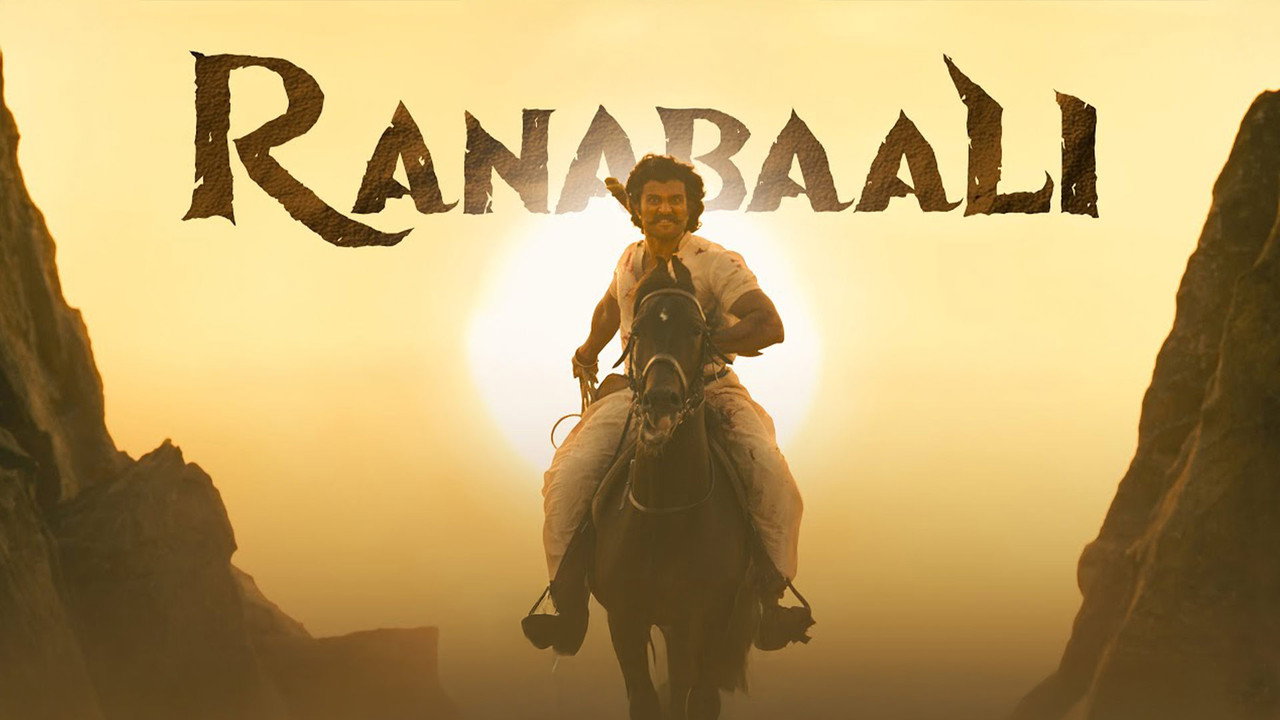
Let us be brutally candid: after the polarizing experiments of recent years, Vijay Deverakonda desperately needed a cinematic vehicle that demanded his absolute soul. In Ranabaali, he delivers the undisputed performance of his career. Deverakonda completely strips away the suave, urbane romantic swagger of his youth. Here, he is feral, weather-beaten, covered in real mud, bullet scars, and dried blood.
His physical presence during hand-to-hand combat is intimidating. Rather than relying on wirework physics, the fight choreography emphasizes grounded brutality—bone-crushing grappling, axe-cleaving melee strikes, and agonizing tactical retreats. In emotional close-ups, when Ranabaali watches his drought-stricken people drink contaminated muddy water while British cavalry burn their grain reserves, the volcanic fury burning in Deverakonda's eyes commands complete, spellbinding silence across the auditorium.
Arnold Vosloo: A Hollywood Titan Dominating Indian Screens
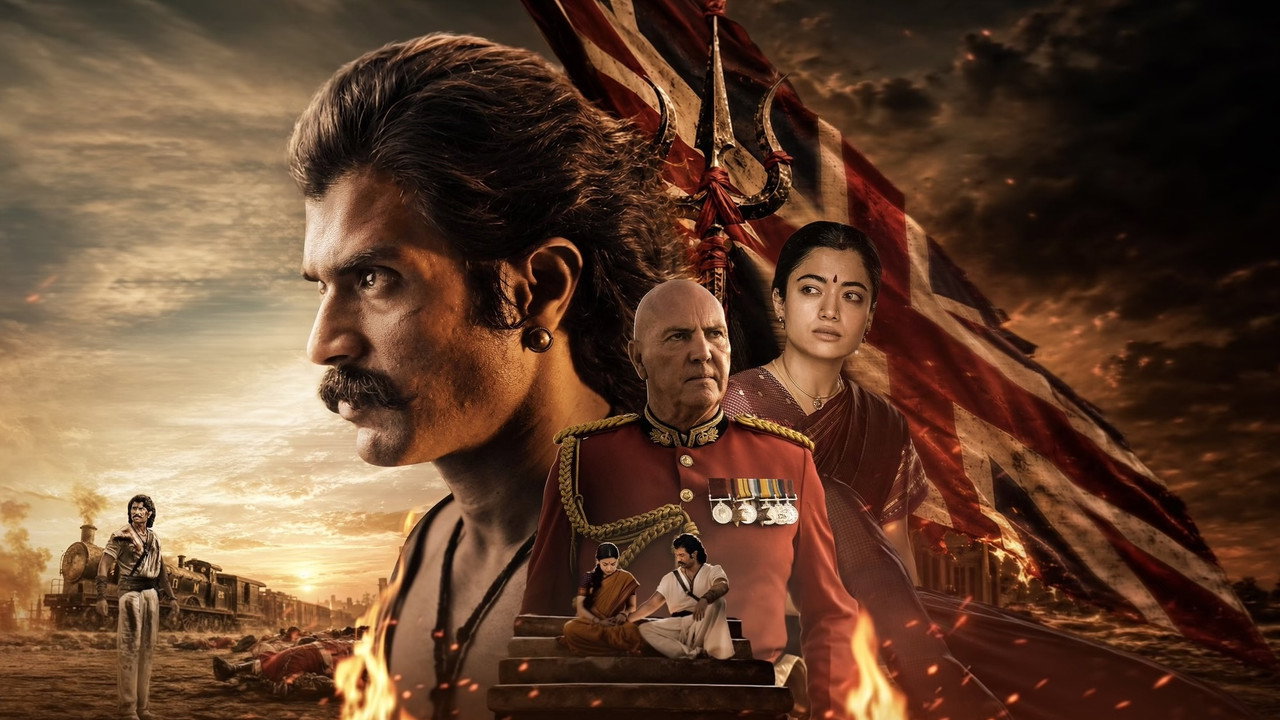
The casting of Hollywood veteran Arnold Vosloo (eternally iconic as the high priest Imhotep in The Mummy) as British Commander Sir Theodore Hector could have easily devolved into a caricature. Instead, it is a masterstroke of casting. Vosloo infuses the imperial villain with an icy, aristocratic cruelty that is profoundly terrifying.
Dressed in immaculately tailored Victorian military scarlet, Hector does not shout or twirl a theatrical mustache. He calculates casualties on ledger books while sipping tea as his Maxim-gun prototypes shred defenseless cavalry. When Vosloo and Deverakonda finally share the screen during a tense, candlelit hostage negotiation inside a colonial hill fortress, the screen crackles with world-class tension. Vosloo's commanding baritone voice and Deverakonda's defiant vernacular insults create one of the most memorable hero-antagonist dynamics seen in Indian cinema since RRR.
Rashmika Mandanna’s Resilient Fire & World-Class Technical Craft
Rashmika Mandanna plays Jayamma, a tribal clan leader’s daughter whose strategic cunning rivals Ranabaali’s battlefield strength. Refreshingly, the film completely avoids routine romantic songs that derail narrative momentum. Jayamma is an active tactician, deciphering British telegram lines, organizing supply chains, and picking up weapons when the garrison breaches their compound. Mandanna brings dignity, ferocity, and deep emotional resonance to a role that could have easily been sidelined.
The technical brilliance of Ranabaali is staggering. Cinematographer Sujith Sarang ditches sterile studio green screens in favor of punishing on-location shooting across the barren, rocky terrain of Andhra and Rajasthan. Every gust of dust feels tangible. The musical score—dominated by primordial earthen percussion, thundering dhol drums, and haunting female choral laments—acts as an unstoppable heartbeat that propels the 3-hour-5-minute runtime with breathtaking momentum.
Production Details & Fast Facts
| Parameter | Details |
|---|---|
| Director & Screenplay | Rahul Sankrityan |
| Starring Cast | Vijay Deverakonda, Arnold Vosloo, Rashmika Mandanna, Vinod Sagar, Easwari Rao |
| Production Banner | Mythri Movie Makers |
| Runtime | 3h 05m |
| Genre | Period Action Drama / Historical Epic |
| Release Date | October 15, 2026 (Worldwide Theatrical) |
| Estimated Budget | ₹160 – ₹180 Crore (~$20–$22 Million) |
| Box Office Tracking | ₹55 – ₹65 Crore Day 1 Worldwide (Projected Lifetime: ₹400 Cr+) |
Ensemble Cast & Key Characters
| Actor | Character | Role & Character Dynamic |
|---|---|---|
| Vijay Deverakonda | Ranabaali | Feral tribal chieftain leading a desperate rebellion against British colonial subjugation. |
| Arnold Vosloo | Sir Theodore Hector | Cold, aristocratic British general deploying industrial weaponry to pacify the Deccan region. |
| Rashmika Mandanna | Jayamma | Fierce tribal strategist whose resilience and logistical intellect hold the rebellion together. |
| Vinod Sagar | Bheema Nayak | Ranabaali's loyal second-in-command who commands the mountain archer division. |
| Easwari Rao | Gauramma | The village matriarch whose tragic sacrifice ignites the final armed uprising. |
Cinematic Stills & Production Highlights
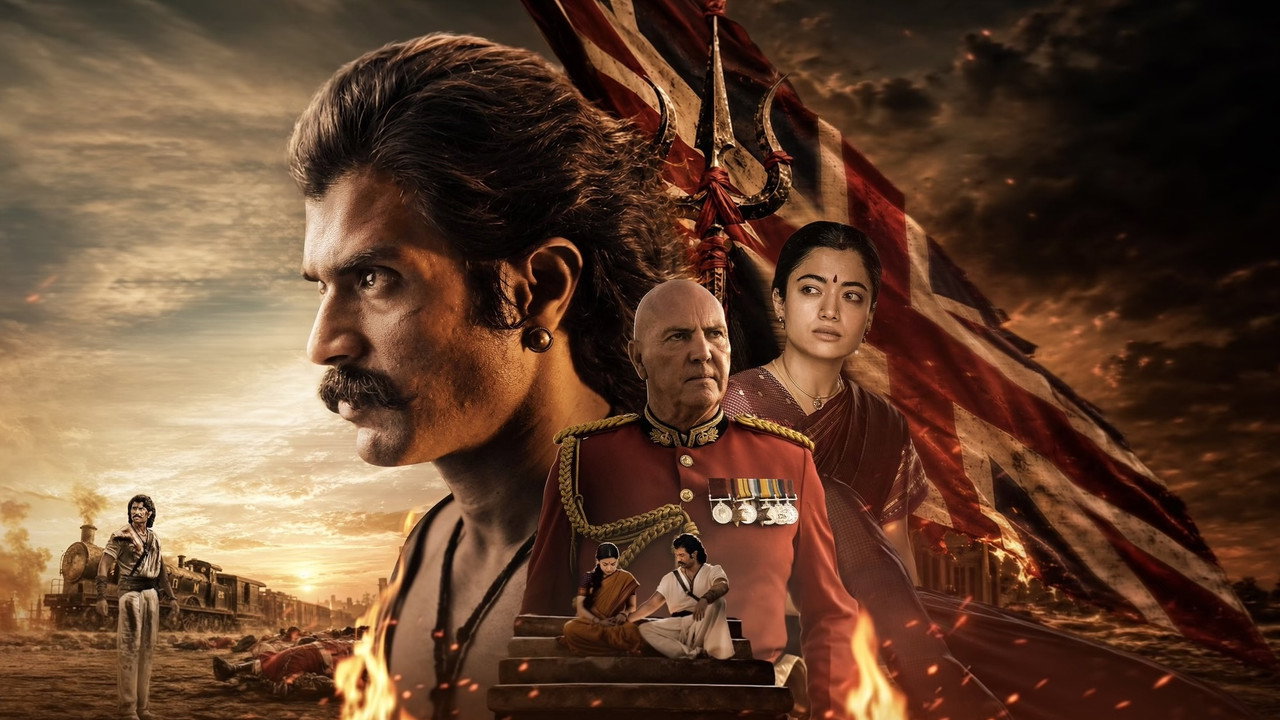
Exclusive visual stills highlighting the punishing on-location filming, period weapon design, and massive cavalry battle sequences.

Ranabaali Box Office Collection: Day 1 Opening & Worldwide Predictions
Backed by aggressive nationwide promotions, Vijay Deverakonda's pan-Indian fanbase, and widespread curiosity regarding Arnold Vosloo's debut in Telugu cinema, the Ranabaali box office collection has kicked off with explosive momentum. Advance booking queues across Hyderabad, Vijayawada, Vizag, and Bengaluru registered over 85% occupancy for early morning shows within hours of ticket sales opening.
On its opening day, Ranabaali Day 1 box office collection is projected to reach an impressive ₹55 – ₹65 Crore gross worldwide. In its home bastions of Andhra Pradesh and Telangana, the film is pacing to deliver a monster ₹32+ Crore opening day. Meanwhile, Hindi dubbed circuits across Maharashtra, Delhi-NCR, and Gujarat are benefiting heavily from the scale of the action and Arnold Vosloo’s nostalgic star power, pacing towards a ₹10–₹12 Crore opening.
| Territory / Circuit | Day 1 Projection | Opening Weekend Expectation | Projected Lifetime Potential |
|---|---|---|---|
| Andhra Pradesh & Telangana | ₹30 – ₹34 Cr | ₹85 – ₹95 Cr | ₹180 – ₹210 Cr |
| North India (Hindi Belt) | ₹10 – ₹12 Cr | ₹30 – ₹35 Cr | ₹70 – ₹85 Cr |
| Karnataka & Tamil Nadu | ₹8 – ₹10 Cr | ₹22 – ₹26 Cr | ₹45 – ₹55 Cr |
| Overseas (North America, Gulf, UK, Aus) | $1.8M – $2.2M (₹15–₹18 Cr) | $5.5M – $6.5M (₹45–₹54 Cr) | $12M – $14M (₹100–₹118 Cr) |
| Total Worldwide Gross | ₹58 – ₹68 Crore | ₹170 – ₹195 Crore | ₹395 – ₹468 Crore |
With glowing audience word of mouth surrounding the earth-shattering interval block and the emotional climax, trade trackers project Ranabaali to comfortably emerge as the highest-grossing film of Vijay Deverakonda's career, firmly targeting the coveted ₹400 Crore worldwide milestone.
"Ranabaali is an exhilarating, blood-and-sand period epic that redefines Indian historical action cinema. Vijay Deverakonda delivers a towering, career-defining performance, while Arnold Vosloo elevates the colonial villain into an iconic, chilling titan."
✓ What Works
- Vijay Deverakonda's ferocious, emotionally raw physical transformation
- Arnold Vosloo's icy, aristocratic British general commands royal menace
- The 20-minute red dust canyon interval block is pure cinematic gold
- Authentic on-location cinematography and bone-jarring earthen percussion
✕ What Stumbles
- The 3-hour-5-minute runtime feels slightly stretched in the early second act
- A few heavy exposition scenes between British councils slow down the pacing